Adjusting Without Addressing
Adjusting Without Addressing
There is a specific moment most people never recognize. Not because it is invisible, but because by the time it happens, you have already adjusted around it so many times that it just feels like life.
You stopped doing the thing that used to feel good. You sleep differently now. You move around certain mornings instead of through them. You quit the workout you used to love, not because you decided to, but because your body kept making the decision for you. And at some point, you stopped questioning it.
That is not aging. That is compounding.
Here is the difference. Aging is biological change over time. Compounding is what happens when you adjust to each change without addressing what caused it. You manage the symptom. You work around the signal. And because it happens slowly, because each adjustment feels reasonable in the moment, you never notice how far you have drifted from how you used to feel.
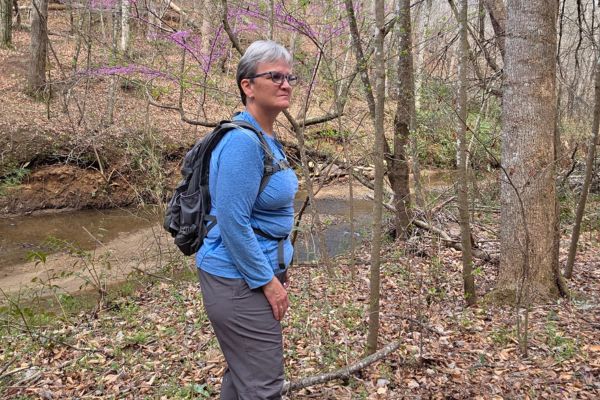
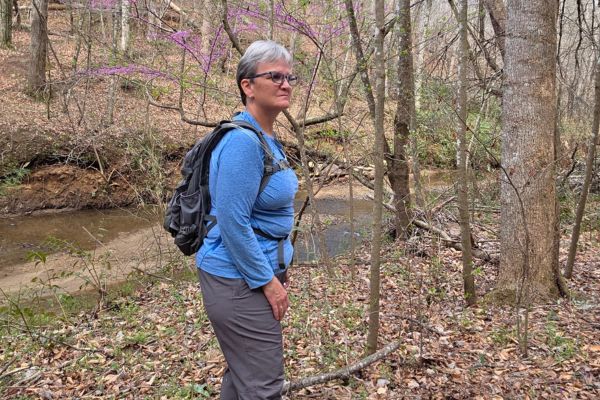
I lived this. There was a stretch of time where I quietly stepped back from everything that used to feel like mine. Workouts. Trails with any real incline. Mornings that used to feel clear. My knee would not cooperate, so I worked around it. I told myself it was fine. And that adjustment became so normal I stopped questioning it entirely.
That is the part nobody talks about. Not the pain. The silence after the pain becomes your baseline.
The hardest moment is not when something starts hurting. It is when you stop expecting it to get better.
So you keep adjusting. You tell yourself this is just what happens. You hear "this is part of getting older" enough times that you start repeating it to yourself. And the bar quietly lowers. And then lowers again. And you do not even notice because you are too busy adapting to each new version of normal.
But here is what I have come to understand. The body is not failing you. It is communicating with you. The fatigue, the stiffness, the restless nights, the fog that sits behind your eyes by early afternoon. These are not signs that you are broken. They are signals. And signals can be answered.
The problem is that most of us were taught to fight the symptom instead of support the system. Push harder. Cut more. Discipline more. And for a while, effort can carry you. But effort is a finite resource. The biology underneath it is not. When you start addressing the system at the level it actually needs, things shift in ways that effort alone never could have produced.
Sleep quality. Inflammation. Energy patterns. Gut function. Nervous system response. These things are all connected. When one is off, the ripple touches everything else. You can be eating well, moving your body, doing everything that looks right on the outside and still feel like something is missing. Because the foundation underneath has not been addressed.
I started paying closer attention to what was actually happening internally, not just what I could see on the surface. And when things started shifting, it was not dramatic. It was quiet. A knee that had kept me off certain trails for months started cooperating. Sleep that had been restless started settling. I got back on an incline I had quietly written off. Then I did it again the following weekend. My doctor noticed at a follow-up and asked what had changed.
That is the thing about quiet progress. You do not always see it coming. But once you notice it, you cannot unsee it.
And that is actually the most important thing I want you to take from this. Not the specifics of what changed for me. But the awareness that change is still possible. That what you have accepted as your new normal may not be your ceiling. That the moment you stopped expecting better does not have to be permanent.
Think about your own life for a moment. What have you quietly started avoiding? Maybe it is a certain kind of movement. Maybe it is the energy you used to have in the morning. Maybe it is the mental clarity that used to show up before the first hour of the day was gone. Maybe it is something smaller, something you have not even named yet, just something you keep working around.
You did not make a conscious decision to lose those things. You adjusted. And then adjusted again. And at some point it started to feel like this is just how it is.
It does not have to be.
This is not about a dramatic overhaul. It is not about perfection or a new plan that asks more from you. It starts with one question you may have stopped asking. What if my body could actually feel better than this? What if the things I have accepted as normal are not, in fact, normal for me?
That question is the beginning. Because once you start asking it, you start paying attention differently. You start noticing the signals instead of overriding them. You start supporting the system instead of fighting the symptoms. And slowly, quietly, the things you had stopped expecting start coming back.
Adjusting without addressing is how it compounds. Addressing it is how it changes.
If this is landing for you and you would like to keep the conversation going, you can find me and ways to connect at the link below.
In support,
Claudette Eames 🌻
Rooted in healing. Grounded in purpose.


